What people mean by 'car cleaner'
Search for a car cleaner and you get everything from a basic shampoo to a colour-changing wheel gel, all sold as if they do the same job. They don't. A car has four separate cleaning jobs — paint, wheels, glass and interior — and each one needs different chemistry.
A bodywork shampoo is built to lift road grime without dragging grit across the paint. A snow foam softens dirt before you touch the car at all. Wheel cleaners use a different approach again, because brake dust is metallic and baked on, not just muddy. Interior cleaners are formulated for fabric, plastic and trim, and will do nothing useful on paint.
Buying the wrong one wastes money. Using a harsh wheel acid on paint, or a household degreaser on lacquer, can do damage that costs far more to put right than the product saved. The five picks below cover the jobs most UK drivers actually face: the weekly bucket wash, a winter pre-wash, neglected alloys, a grubby interior, and a wash when there's no hose.
The quick answer
- Best overall for most drivers: Meguiar's Gold Class Car Wash — a traditional, wax-safe shampoo that is easy to buy and hard to get wrong.
- Best for winter grime: Bilt Hamber Auto Foam — softens salt and road film before your mitt touches the paint.
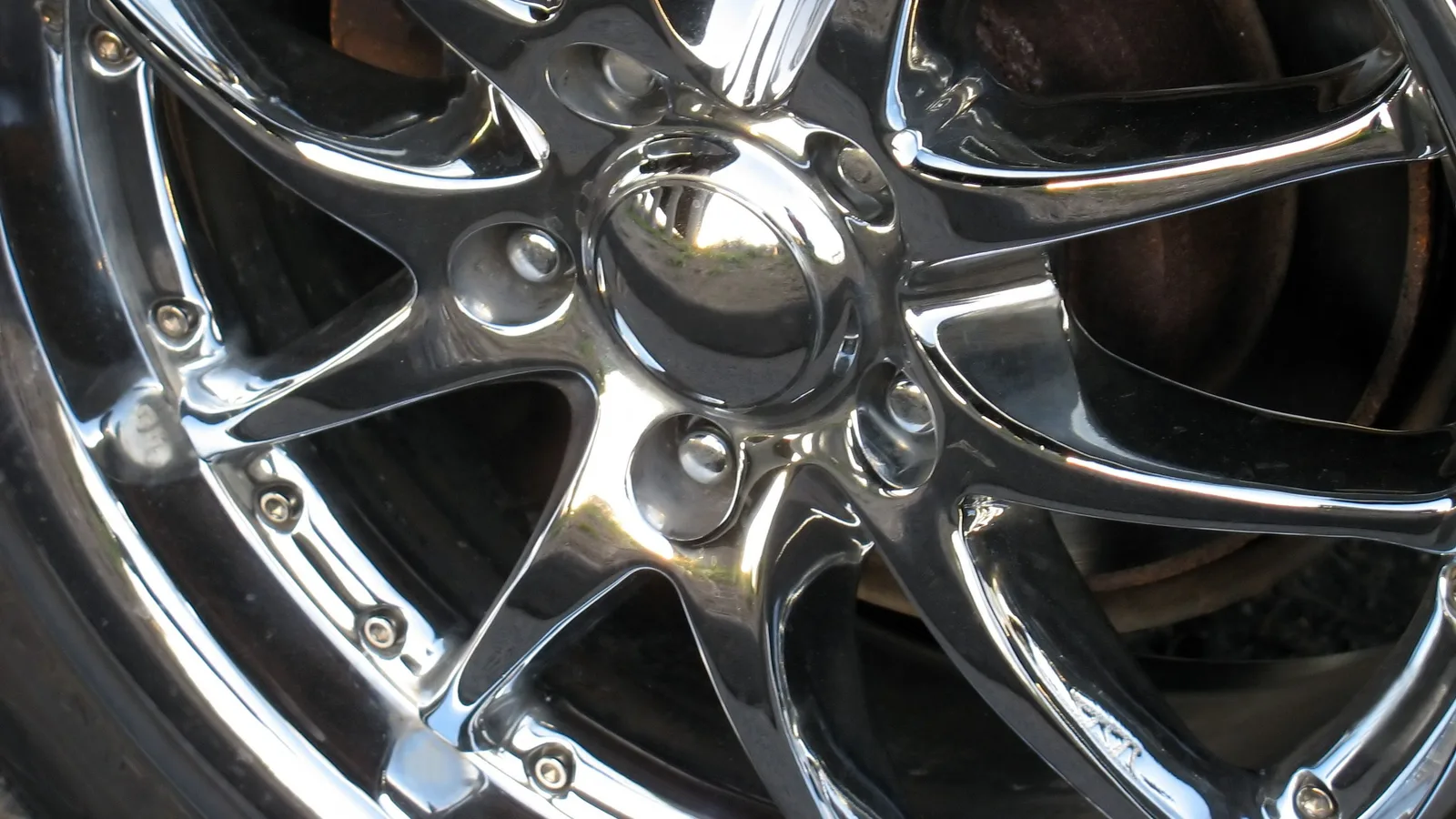
- Best for wheels: Bilt Hamber Auto Wheel — a colour-changing cleaner that shifts baked-on brake dust.
- Best for interiors: Autoglym Interior Shampoo — safe on fabrics, carpets and trim.
- Best if you have no hose: Optimum No Rinse Wash & Shine — a full wash from a couple of buckets of water.
If you are buying one thing today and your car is reasonably well looked after, buy the Meguiar's shampoo and a decent wash mitt. It is the product you will use most often and the one that does the least harm when you use too much of it.
If your car lives on a street with no outdoor tap, or you are on a meter, go straight to Optimum No Rinse. If your alloys are black with brake dust and never seem to come clean with shampoo, the Bilt Hamber wheel cleaner will make more difference than any change to your wash routine.
Best overall: Meguiar's Gold Class Car Wash
Best overall bucket-wash shampoo
Meguiar's Gold Class Car Wash Shampoo & Conditioner
4.5/5
Gold Class is the benchmark for a straightforward bucket wash. It produces thick, slippery suds that carry grit off the panel rather than dragging it across, and it is formulated to be gentle on existing wax and sealant, so a weekly wash does not undo your protection.
It is widely stocked in motor factors and supermarkets, which matters more than it sounds: the best shampoo is the one you can replace on a Saturday morning without ordering online. Use the two-bucket method — one bucket of shampoo, one of clean rinse water — and a microfibre or lambswool mitt, and it will handle a normal weekly wash comfortably.
Why it wins
- Rich, slippery suds that help carry grit away from the paint
- Gentle on wax, sealants and clearcoat, so protection lasts longer
- Easy to find on the high street and economical per wash
What to know
- Not a heavy-duty cleaner — tar spots and baked-on traffic film need a dedicated product
- Needs a hose, or at least two buckets, to use properly
- The fragrance is strong; not to everyone's taste
Best pre-wash: Bilt Hamber Auto Foam
Best snow foam for winter grime
Bilt Hamber Auto Foam
4.5/5
Auto Foam is a concentrated snow foam applied through a pressure washer and foam lance. It clings to vertical panels instead of running straight off, giving the chemistry time to soften road film, salt and diesel soot before you touch the car.
That matters most from November to March, when a car can pick up a visible grey film on a single motorway trip. Foaming first means your wash mitt is working on softened dirt rather than grinding grit into the lacquer. It is a pre-wash, not a replacement for shampoo — you still need a contact wash afterwards.
Why it wins
- Loosens heavy winter grime before any contact washing
- Clings to panels rather than draining away immediately
- Concentrated formula goes a long way per wash
What to know
- Useless without a pressure washer and a foam lance
- Adds time to every wash, which puts people off in cold weather
- Will not remove bonded contamination on its own
Best for wheels: Bilt Hamber Auto Wheel
Best cleaner for brake dust
Bilt Hamber Auto Wheel
4.5/5
Auto Wheel is a colour-changing wheel cleaner. It reacts with the iron particles in brake dust and turns purple as it works, which shows you exactly where the contamination is sitting and when it has done its job.
Spray it on a cool wheel, leave it briefly, agitate with a wheel brush and rinse thoroughly. On neglected alloys it does in one application what several rounds of shampoo and a stiff brush struggle to achieve. It is popular with detailers for lacquered and painted wheels, but always check the label for your wheel type and test on a small hidden area first.
Why it wins
- Dissolves baked-on brake dust that shampoo barely touches
- The colour change shows where the contamination is and when it is done
- Cuts the amount of scrubbing needed on factory alloys
What to know
- A premium price for something you use on wheels only
- Badly neglected wheels still need a brush and possibly a second application
- Must not be allowed to dry on the wheel — work one wheel at a time
Best for interiors: Autoglym Interior Shampoo
Best fabric and trim cleaner
Autoglym Interior Shampoo
4.0/5
Interior Shampoo is a water-based cleaner for fabrics, carpets and hard trim — seats, door cards, boot linings and plastic panels. Spray it on, agitate with a soft brush or microfibre cloth, then wipe away the lifted dirt.
It is low-foaming, which is what you want on a car interior: foam leaves residue in fabric that attracts more dirt later. It lifts everyday marks such as coffee spills, muddy paw prints and grimy door pulls without leaving a sticky finish. It is not a leather product, and it will not dissolve a stain on contact — it needs a little agitation.
Why it wins
- Safe on fabrics, carpets and plastic trim
- Low-foam, so it wipes away without leaving residue behind
- A British brand that is easy to find in Halfords and motor factors
What to know
- Needs agitation with a brush or cloth, not just a spray and wipe
- Not for leather — use a dedicated leather cleaner and conditioner
- Fabric takes time to dry in cold, damp weather
Best without a hose: Optimum No Rinse
Best no-hose, low-water wash
Optimum No Rinse Wash & Shine
4.5/5
Optimum No Rinse is a rinseless wash: you dilute a small amount in a bucket of water, wipe a panel with a soaked microfibre, then dry it off. There is no hose, no run-off and no puddle running down the driveway.
For anyone in a flat, a garage, a terraced street or a hosepipe ban area, it turns an impossible job into a twenty-minute one. It also works as a clay lubricant and a quick detailer at different dilutions, so one bottle covers several jobs. The catch is technique: because you are not rinsing, a dirty mitt or a dry panel will mark the paint, so work panel by panel and rinse the mitt often.
Why it wins
- Cleans a whole car from a couple of buckets of water
- Ideal for garages, flats, hosepipe bans and freezing weather
- Doubles as a clay lubricant and quick detailer
What to know
- Requires good technique — a contaminated mitt can marr the paint
- Not suitable for heavily soiled cars without a pre-wash first
- Harder to find in shops; usually bought online
How the five compare
| Product | Best for | Where you use it | What it needs |
|---|---|---|---|
| Meguiar's Gold Class | Weekly bucket wash | Bodywork and glass | Hose or two buckets and a mitt |
| Bilt Hamber Auto Foam | Winter pre-wash | Bodywork, before contact | Pressure washer and foam lance |
| Bilt Hamber Auto Wheel | Brake dust and alloys | Wheels only | Rinse water and a wheel brush |
| Autoglym Interior Shampoo | Fabric, carpet and trim | Inside the car | Cloth or soft brush and a wipe-down |
| Optimum No Rinse | Washing without a hose | Bodywork and glass | Two buckets and clean microfibres |
Read the table by job rather than by rank. No single row covers the whole car, and the two Bilt Hamber products are deliberately narrow: one is a pre-wash, the other is for wheels. The two general-purpose picks — Gold Class and Optimum No Rinse — are the ones to choose between if you are only buying one bottle.
How to choose a car cleaner
Start with the dirt you actually have. A car that is washed fortnightly needs a gentle shampoo, not an aggressive cleaner. A car that sits under trees or does motorway miles needs a pre-wash to shift the film before anything touches the paint.
Treat paint safety as non-negotiable. pH-neutral shampoos and snow foams are the sensible default for bodywork. Strong alkaline and acidic products have their place on wheels and glass, but they are not what you want on lacquer or on a fresh wax layer.
Compare cost per wash, not cost per bottle. Concentrates look expensive on the shelf and work out cheaper in use, because you are mostly buying water otherwise. A large bottle of shampoo that dilutes down will outlast several ready-mixed sprays.
Be honest about your water and space. A pressure washer and foam lance is the best setup if you have a driveway and an outdoor tap. If you don't, a rinseless wash is not a compromise so much as the only option that will actually get used.
Check compatibility with your protection. If you have paid for a ceramic coating or a decent wax, use cleaners that are designed to leave it in place. Stripping it every wash is false economy.
- Paint safety
- 5.0/5
A cleaner that dulls lacquer or strips protection costs more to put right than it saves. Neutral is the safe default for bodywork.
- Cleaning power on road grime
- 4.5/5
UK winter means salt, diesel film and mud. A pre-wash plus a good shampoo beats one aggressive product used alone.
- Cost per wash
- 4.0/5
Concentrates usually work out cheaper per wash than ready-mixed sprays, even when the bottle costs more up front.
- Ease of use
- 3.5/5
The best cleaner is the one you will actually reach for on a cold Sunday. Fewer steps means more frequent washing.
- Versatility
- 3.0/5
Useful, but an all-in-one product rarely cleans wheels or carpets as well as a dedicated cleaner does.
Mistakes that make good cleaners look bad
- Using too much product. More shampoo does not clean better; it just leaves more residue to rinse and can dry streaky on glass and trim.
- Washing in direct sun. Panels dry before you rinse, and the shampoo leaves a film that is annoying to remove.
- One bucket, one mitt, whole car. Grit stays in the mitt and gets dragged across the paint. Rinse the mitt after every panel or two.
- Starting at the bottom. Do the roof and upper panels first, then work down to the sills and bumpers where the worst grime sits.
- Letting wheel cleaner dry. Work one wheel at a time, out of the sun, and rinse thoroughly.
- Skipping the pre-wash in winter. Contact washing a salt-covered car is how you get swirl marks.
Our verdict
Frequently asked questions
Can I use washing-up liquid to clean my car?
It will remove dirt, but it is designed to cut grease and can strip wax and sealant over time, leaving the paint unprotected. A dedicated car shampoo is gentler and rinses away more cleanly.
Do I need a pressure washer to use snow foam?
Yes, for the thick, clinging foam that makes it worthwhile. You need a pressure washer plus a foam lance or bottle; a garden sprayer will not produce the same result.
How often should I wash my car in the UK?
Every two weeks is a sensible baseline. Go weekly in winter when roads are salted, and wash after long motorway runs if the car is covered in flies or film.
Is wheel cleaner safe on painted or diamond-cut alloys?
Colour-changing, pH-neutral wheel cleaners are the safer choice for lacquered and painted wheels. Check the label for your wheel type, test a hidden area first, and never let the product dry on the wheel.
Does a rinseless wash work on a really dirty car?
Not on its own. Heavy mud, salt and grit should be rinsed or foamed off first. A rinseless wash is for lightly soiled cars or a regular maintenance wash.