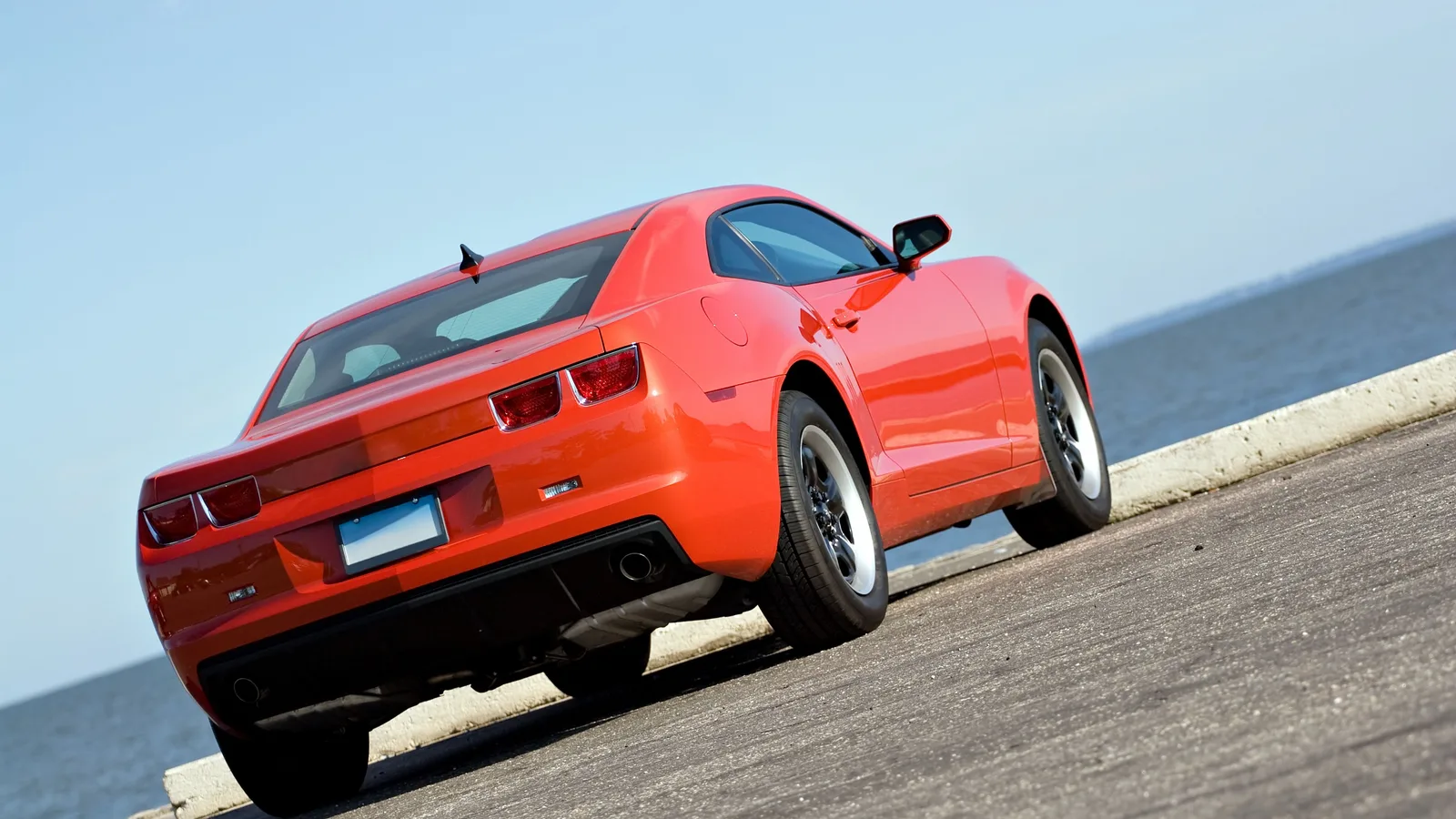
The short answer: the sedan wins for most drivers
For most UK drivers, the sedan is the better all-round choice. It gives you four doors, easier access to the back seats and a more usable boot, and it still drives comfortably on British roads. The coupe wins on style and a sportier feel, but it asks you to compromise on everyday practicality.
That is the short answer. The rest of this guide explains where each body style wins, who should pick which, and what to check before you buy.
What counts as a coupe and a sedan?
Car makers are loose with body-style labels, so start with the traditional definitions.
- A coupe usually has two doors, a sloping rear roofline and a lower, more swept-back profile. The rear seats are there, but they are best suited to occasional use.
- A sedan — called a saloon in the UK — has four doors, a fixed roof and a separate boot. The rear seats are designed for regular use, and the boot is separated from the cabin.
Some manufacturers sell four-door models with a sloping roof as a 'four-door coupe'. Those are not the same as a traditional two-door coupe. Check the door count, the rear headroom and the boot opening on the exact car, because the label alone tells you little.
Head-to-head: where each body style wins
| What matters | Coupe | Sedan |
|---|---|---|
| Doors and rear access | Two doors; you fold the front seat to reach the back | Four doors; rear passengers get in and out without help |
| Rear passenger space | Tighter headroom and legroom; fine for short trips | More headroom and easier access for regular rear passengers |
| Child seats | Fiddly to fit through a two-door opening | Rear doors make fitting and lifting child seats much easier |
| Boot and loading | Often a smaller opening; check the boot lip | Separate boot with a more usable opening on most models |
| Driving feel | Lower stance and sportier set-up on many models | Comfort-biased, but still stable and capable |
| Visibility | Thick rear pillars and a low roof can create blind spots | More upright glass usually gives better all-round visibility |
| Parking | Long doors need more room to open in tight bays | Rear doors help in car parks; check the car's length |
| Insurance and tyres | Sporty trims can mean higher groups and larger tyres | Usually easier to compare like-for-like; check the exact trim |
On the road and on the driveway
The coupe's advantage is not just looks. A lower roof and a wider, more planted stance can make a car feel more tied down through bends, and the driving position is often lower. That can be enjoyable on a quiet A-road, but it can also mean more road noise and a firmer ride on broken surfaces. Long doors are another everyday annoyance: in a narrow car park, you may need more space to get out.
The sedan is set up for comfort and easy use. You sit a little more upright, the glass area is usually larger, and rear passengers have doors of their own. It is the easier car to live with when you are carrying people, shopping or luggage. That does not make it dull: a well-sorted saloon can still handle a B-road neatly, and many models share engines and suspension with their coupe counterparts.
The biggest difference is not the badge on the boot. It is how often you use the back seats and how much you value a sleek roofline over a sensible door count.
Who should choose a coupe
Choose a coupe if:
- You mostly drive alone or with one passenger.
- You want a car that looks sharper and feels more special than a saloon.
- You rarely carry adults in the back and can live with folding the front seats.
- You are happy to check insurance, tyre sizes and boot space for the exact model.
A coupe makes most sense as a second car or a lifestyle purchase. If you have children, a dog or regular rear passengers, the novelty of the roofline wears off quickly when you are wrestling a child seat through a two-door opening.
Coupe strengths
- Sharper, more distinctive profile
- Often feels more involving to drive
- Lower driving position
- Can be a more emotional purchase
Coupe compromises
- Rear access is awkward
- Less headroom and legroom in the back
- Long doors need space to open
- Sporty trims can cost more to insure and run
Who should choose a sedan
Choose a sedan if:
- You regularly carry family, friends or colleagues in the back.
- You need to fit child seats without a fight.
- You want a separate boot for luggage, shopping or work kit.
- You value comfort, visibility and easy access on daily drives.
The sedan is the default choice for a reason. It covers the school run, the weekly shop, airport trips and motorway commuting without asking you to rearrange the front seats. If you want one car to do everything, start here and then decide whether a coupe's style is worth the trade-off.
Sedan strengths
- Four doors and easy rear access
- More usable rear space
- Separate boot with a practical opening
- Better all-round visibility on most models
- Easier to live with every day
Sedan compromises
- Less dramatic roofline
- Can feel less special than a coupe
- Some models are tuned for comfort rather than fun
Running costs and the checks that matter
Body style affects running costs indirectly. A coupe is often sold in sportier trims with larger wheels and wider tyres, and that can push up replacement tyre costs and insurance. A sedan may share parts with fleet or family models, which can make tyres and servicing easier to compare. Neither rule is absolute: the engine, trim and insurance group matter more than the number of doors.
Before you choose, check:
- Insurance quotes for the exact registration or model and trim.
- Tyre sizes and the price of a full set.
- Boot litres and, more importantly, the shape of the opening.
- Rear headroom with the front seats set for you.
- Child-seat fit and the location of the anchor points.
- Whether the rear seats fold and how flat they go.
- The turning circle and door length if you park on a tight street.
- Typical door count
- Coupe: two; sedan: four
- UK name
- Sedan is usually called a saloon in the UK
- Rear access
- Coupe: fold the front seat; sedan: rear doors
- Roof line
- Coupe: sloping; sedan: stepped with a fixed roof
- Boot
- Coupe: check the opening; sedan: separate boot
- Best for
- Coupe: style-led driving; sedan: everyday family use
- Child seats
- Easier in a sedan because of rear doors
- Insurance
- Check the exact trim; body style alone is not a guide
Final verdict
Frequently asked questions
Is a sedan the same as a saloon?
Yes. Sedan is the American term and saloon is the usual UK term for a four-door car with a separate boot.
Can you fit child seats in a coupe?
Yes, but it is usually harder because you have to fold the front seat to reach the back. Check that the child seat fits and that the rear seats have the right anchor points.
Is a coupe cheaper to insure than a sedan?
Not automatically. Insurance depends on the model, trim, engine and your details. Sporty coupe trims often cost more to cover, but compare quotes for the exact car.
Do coupes always have less boot space?
No. Boot volume varies by model, but a coupe often has a smaller opening and a less usable shape. Check the litres and the aperture on the exact car.
What is a four-door coupe?
It is a marketing term for a sleek four-door with a sloping roof. It is not a traditional two-door coupe, so check rear space and boot access as you would on any saloon.
Are sedans better for families?
Usually yes. Rear doors make child seats and daily access easier, and the separate boot is handy for pushchairs and shopping. Check the exact model's rear space and boot.