The quick answer
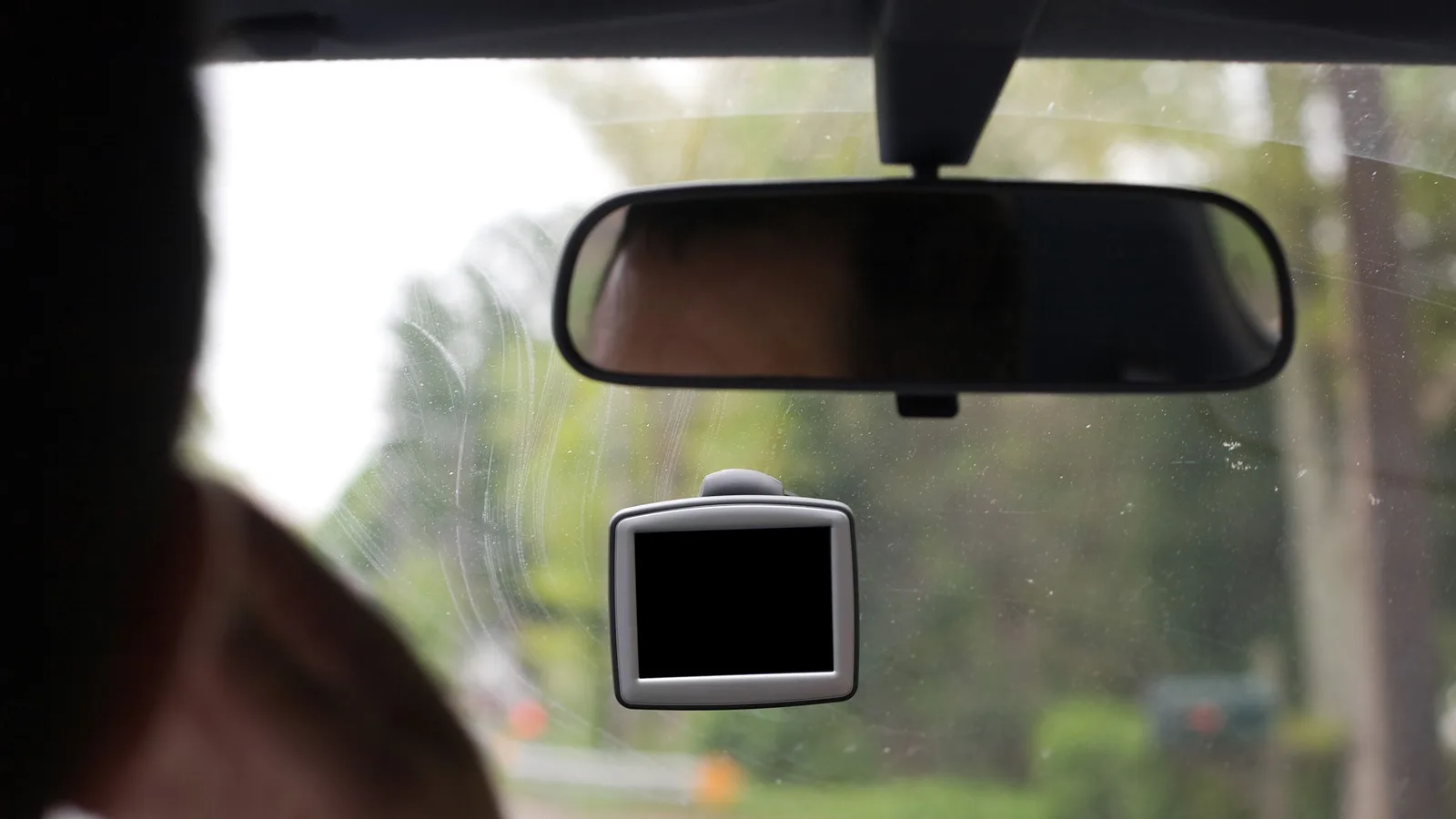
A front and rear dash cam — usually sold as a dual-channel system — records the road ahead and the road behind at the same time. That second view is what settles most disputes: a rear-end shunt at a roundabout, a close pass on a dual carriageway, or someone reversing into your car while it is parked.
For most drivers the Viofo A229 Plus Duo is the pick because it records 2K on both cameras without flagship money. If you would rather have a British brand, a touchscreen and straightforward support, the Nextbase 622GW with Rear Window Camera is the easier system to live with. Drivers who leave the car on a street or in a busy car park should look at the BlackVue DR900X-2CH Plus, while the Thinkware U1000 is the one for the sharpest rear footage. Van, taxi and driving-instructor work is better served by the three-channel Vantrue N4 Pro.
How the five picks compare
| Feature | Viofo A229 Plus Duo | Nextbase 622GW | BlackVue DR900X-2CH Plus | Thinkware U1000 |
|---|---|---|---|---|
| Front camera | 2K (1440p) | 4K (2160p) | 4K (2160p) | 4K (2160p) |
| Rear camera | 2K (1440p) | 1080p | 1080p | 2K (1440p) |
| Parking mode | Buffered, with hardwire kit | Supported, with hardwire kit | Built-in impact and motion detection | Time-lapse, energy saving and optional radar |
| Phone app and cloud | Wi-Fi app only | MyNextbase Connect app | BlackVue cloud over Wi-Fi or LTE | Thinkware cloud over Wi-Fi |
| Best for | Value and all-round footage | Ease of use and UK support | Street parking and remote alerts | Sharpest rear image |
The Vantrue N4 Pro sits outside the table because it adds a third, cabin-facing camera. Compared with the others it trades rear resolution for interior coverage, which is the right trade for anyone carrying passengers for work.
Best overall: Viofo A229 Plus Duo
Best overall
Viofo A229 Plus Duo
4.5/5
The A229 Plus Duo is the sensible answer for most buyers: two 2K cameras, a supercapacitor instead of a lithium battery, GPS and buffered parking mode. Buffered means the camera keeps a few seconds of footage before an impact, so the clip starts before the bump rather than after it. The rear unit is a separate camera on a long cable, so budget an afternoon for routing it neatly through the boot lid or tailgate. It is not as polished as the premium systems, but the footage is genuinely good for the money.
What we like
- 2K recording front and rear, not just the front
- Buffered parking mode captures the moment before impact
- Supercapacitor copes better with a hot car in summer
- Costs far less than 4K flagship systems
What to weigh up
- No cloud service or remote alerts
- App and menus feel functional rather than polished
- Rear cable routing is a DIY job unless you pay a fitter
Best for ease of use: Nextbase 622GW with Rear Window Camera
Best for ease of use
Nextbase 622GW with Rear Window Camera
4.5/5
Nextbase is a British brand with support and fitting options that are easy to find in the UK, and the 622GW is its 4K flagship. The 3-inch touchscreen makes setup straightforward — you can frame the shot and review clips without reaching for your phone. Add the Rear Window Camera and you get 1080p rear coverage powered from the main unit. Built-in what3words and Emergency SOS are genuinely useful if you break down on an unlit B-road.
What we like
- Touchscreen setup and playback without the app
- what3words and Emergency SOS help in rural breakdowns
- Widely available UK fitting and support
- Rear camera runs from the main unit's power supply
What to weigh up
- 4K front but only 1080p rear
- Premium price once the rear camera is added
- Large 4K files fill cards quickly
Best for parked cars: BlackVue DR900X-2CH Plus
Best for street parking
BlackVue DR900X-2CH Plus
4.5/5
If your car spends its nights on a street or in a communal car park, the BlackVue is the one to beat. The screenless cylinder design tucks discreetly behind the mirror, and the parking-mode suite is the most complete here: impact and motion detection, built-in voltage monitoring to protect the battery, and cloud alerts so you can check on the car remotely. The front camera records 4K; the rear is 1080p. Cloud features need a Wi-Fi hotspot or the optional LTE module.
What we like
- Cloud alerts and remote viewing when parked
- Built-in voltage cut-off protects the car battery
- Discreet, screenless design behind the mirror
- Strong parking-mode feature set
What to weigh up
- Cloud features need a hotspot or LTE module
- Rear camera is 1080p only
- Expensive before you add a battery pack or LTE
Best image quality: Thinkware U1000
Best for image quality
Thinkware U1000
4.5/5
The U1000 pairs a 4K front camera with a 2K rear camera, which matters more than it sounds: the extra rear resolution gives you a better chance of reading a number plate at distance, especially at night. Thinkware's parking modes are excellent — time-lapse keeps file sizes down over a long weekend, and the optional radar module wakes the camera only when something moves, saving battery. It is a flagship system with a flagship price, and the app takes some learning.
What we like
- 2K rear camera is sharper than the 1080p rivals
- Strong night-time footage from both cameras
- Time-lapse parking mode keeps files manageable
- Optional radar activates recording only on movement
What to weigh up
- Flagship price
- Radar module and battery pack are extras
- App and settings take a while to learn
Best for van, taxi and instructor use: Vantrue N4 Pro
Best for professional drivers
Vantrue N4 Pro
4.0/5
The N4 Pro records three views at once: 4K out of the front, plus 1080p cameras for the cabin and the rear window. The cabin camera has infrared lighting for night work, which is exactly what you want if you carry passengers and need a record of what happened inside the vehicle. It is bulkier than a two-channel system and there are three cables to route, but for taxi, private-hire, van and driving-instructor work it covers angles the others cannot.
What we like
- Covers the cabin as well as front and rear
- Infrared cabin camera works after dark
- Useful evidence for taxi, van and private-hire work
- GPS and speed data built in
What to weigh up
- Rear and cabin cameras are 1080p
- Three cables to route neatly
- Bulkier unit than a two-channel system
What to look for in a front and rear dash cam
Rear resolution matters as much as the front. Many kits pair a 4K front camera with a 1080p rear, and the rear is where a close pass or a car-park knock often happens. If you can stretch to a 2K rear camera, do.
Parking mode needs a power source. Buffered recording, time-lapse and impact detection all require a permanent live feed through a hardwire kit, or a separate dash-cam battery pack. Check that the kit includes a voltage cut-off so it cannot flatten the car battery.
Heat kills cheap cameras. A supercapacitor copes with a car interior far better than a lithium battery, particularly on a hot day with the car parked in direct sun.
Cable length and mounting matter. Rear cameras come with a long cable, but a tailgate or hatchback needs more slack than a saloon. Check the cable is long enough for your car before buying.
Check the app before you buy. You will use it to set the camera up, download clips and hand footage to an insurer. A clumsy app makes an otherwise good camera frustrating.
- Rear camera resolution
- 5.0/5
The single biggest difference between a useful rear view and a blurry one.
- Night-time number plate reading
- 5.0/5
Most incidents happen in the dark or in low light under trees and in car parks.
- Parking mode
- 4.5/5
Worth having if the car is parked on a street or in a shared car park.
- Ease of fitting
- 3.5/5
Two cameras mean two mounting points and a cable run to the back of the car.
- App and file transfer
- 4.0/5
You will need footage quickly after an incident, not a week later.
Fitting the rear camera without creating problems
Route the rear cable along the headlining, down the A-pillar trim and through the rubber grommet into the tailgate. Leave a service loop where the tailgate hinges so the cable is not stretched every time the boot opens, and test the camera before you refit any trim.
On a hatchback, mount the rear camera on the glass rather than the plastic trim, and avoid the heating elements and the swept area of the rear wiper. On a saloon, the rear screen is often steeply raked, so check the camera angle before sticking the mount down.
The verdict
Front and rear dash cam questions
Is a front and rear dash cam legal in the UK?
Yes, private use is legal. Mount the camera so it does not obstruct your view of the road — behind the rear-view mirror is the usual spot — and remember that publishing footage of identifiable people brings data protection rules into play.
Does the rear camera need its own power supply?
No. In a dual-channel kit the rear camera draws power and sends footage through the cable to the front unit, which is the only part wired to the car.
Will parking mode flatten my car battery?
It can if the camera is wired to a permanent live with no cut-off. Use a hardwire kit with a voltage setting, or a separate dash-cam battery pack, and check the car starts normally after a long weekend parked.
Can I move a front and rear dash cam between cars?
You can, but the rear cable is cut to suit one car's length and routing. Buying a second mount and cable for the other car makes swapping much quicker.
Do I have to tell my insurer I have fitted a dash cam?
Policies differ. Many insurers ask about modifications and some offer a discount for a dash cam, so check with yours rather than assuming it is automatically covered.